Someone wrote “HAPPY VALENTINE’S DAY” on the hospital whiteboard.

An hour or two later, someone else had rubbed it out.

Obviously that person was single.

Someone wrote “HAPPY VALENTINE’S DAY” on the hospital whiteboard.

An hour or two later, someone else had rubbed it out.

Obviously that person was single.

Rising medical student, welcome to the start of your new life in health care!
An amazing adventure in helping people awaits you, but first you must pass that dreaded beast called medical school examinations.
With so much information waiting to be crushed into your exploding skull, figuring out which resources to use can be stressful. Do you go to lectures? Do you watch third-party videos? Do you form a study group or remain a hermit? And how can you possibly survive anatomy classes, especially if you didn’t do a medical science degree beforehand?
In this episode, Steve runs through some of the most popular medical school materials. Are you afraid of missing out on an important study resource because no one told you about it for your entire first year? Don’t worry. That’s an odd but valid fear.
Instead of suffering through trial and error, relax in this concise collection of the big options available to you. You don’t have to waste time searching for the best resources when many of them are presented to you here.
It’s ultimately up to you to choose the study methods that work best for you — but to do that, you first have to know what your options are!
Podcast
Resources mentioned
USMLE preparation and video lectures
Flash cards
Anatomy
Podcasts and audio
OSCE videos
Other resources
Review notes
Video lectures
Question banks
About the guest speaker
Steve Waring is a medical student from The University Of Sydney. He enjoys drinking coffee, eating bland vegetables and helping subsequent generations of medical students achieve their best.
Music credits
Opening and closing themes by Phil Poronnik.
Former music students, you unfortunate breed.
You thought you left your sordid past behind, but you really didn’t. Not at postgraduate medical school.
When it comes to percussion and auscultation jokes, you’ll hear them all repeatedly.
Given your musical background, every clinician will proclaim how wonderful your percussion is going to be.
Every clinician will tell you how well you’ll hear the heartbeat.
And every clinician will think they’re the first to say it.
Ahh, friend! You have a long road ahead of you.
About the episode
Have you ever wondered what immunology is like? No?
Well, this is awkward.
Assuming you said yes to the above, this episode is for you.
As you go through your medical studies and even hospital training, you sure learn a lot of exciting facts. But who teaches you about real life? Where do you go if you want to learn what it’s like to be an immunologist? Or a gastroenterologist? Or an infectious diseases physician? Or if you want to find out about the hours and challenges and good and bad parts of a specialty?
While the textbooks don’t teach you what life in a specialty is really like, our superb speaker Dr Sean just might.
If you’re a junior doctor looking for a specialty to love or a medical student wanting to know more about your possible future, this is for you.
Podcast
About the guest speaker
Dr Sean Riminton is an immunologist and immunopathologist at Concord Hospital and Royal Prince Alfred Hospital. As well as his specialist clinical work, Dr Sean is an Associate Professor with The University Of Sydney.
Although Dr Sean is much too nice to do any boasting himself, he does boast a range of impressive achievements:
Music credits
Opening and closing themes by Lily Chen.
About the podcast
How To Win Friends & Influenza features interviews with distinguished doctors across a range of specialties.
It’s designed for junior doctors and medical students who are curious about different specialties and the real life side of medicine, not just the pathophysiology of it.
Hear these guests’ stories and learn from their advice, whether it’s immunology, surgery, gastroenterology or something else you’re interested in.
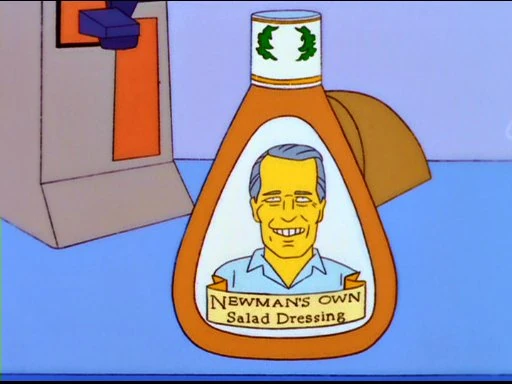
Paradoxical salad dressing is terrible.

What is it? Well, it occurs when you pour too much salad dressing on your salad.

Why is that bad?
Because then your salad becomes worse than it initially was without the salad dressing.
And then you don’t win friends with your salad, because your salad tastes bad.

Calamity.
This is tragic, because salad dressing is designed to make salad better. Paradoxically, it’s made it worse.
Paradoxical undressing, on the other hand, is also an undesirable occurrence.
Is it when you take your clothes off and that ironically repulses people from wanting to sleep with you?
No, it’s not.
Rather, it’s a phenomenon that occurs in the final stages of hypothermia.
Hypothermia
Hypothermia is when body temperature becomes abnormally low. <35°C is a good guide.
This can be precipitated by events such as swimming in icy water or being exposed to harsh weather conditions.
Paradoxical undressing
You would expect a hypothermic person to feel extremely cold. You would expect, then, a desire to put more clothes on.
Paradoxically, in very severe hypothermia, this is not the case. As a stark precursor to death, victims in the final stages of hypothermia are seized by the urge to remove clothing.
A postulated mechanism is as follows:
References
When someone is dying in front of you from heart-related causes, there are 2 important things to know.
1. What you can do to help
Your options are simple:
2. What the condition is called
You must know the name of the affliction. This is so you can shout it out in an authoritative voice at unsuspecting people on the street, in order to sound smart.
In fact, you don’t have to restrict your know-it-all behaviour to the street; you can spontaneously yell “myocardial infarction” or “cardiac arrest” in any setting.
While in line at a coffee shop? Yes.
During a first date? Yes.
While deciding between brands of canned tomatoes at the supermarket? Yes.
It all works. However, remain aware that this might make you appear — quite unjustly — like an eccentric. It might also the reduce likelihood of a second date occurring.
So here’s the question.
What exactly is the difference between myocardial infarction and cardiac arrest? In both cases, the heart fails to some degree.
Myocardial infarction, also known as a heart attack, is from a lack of circulation.
For example, years of junk food lead to atherosclerosis. Fatty rubbish clogs the coronary vessels that supply the heart muscle. The blood supply to the heart becomes blocked.
And while hearts need love, they also need blood. No blood means no nutrients. No nutrients for a long period of time means the deprived heart muscle dies.
Cardiac arrest is from an electrical abnormality. As a result, the heart stops beating.
It’s like when you buy cheap batteries and your remote-controlled car stops working after 10 minutes. The electrical supply just isn’t right.
Myocardial infarction can lead to cardiac arrest, but this isn’t always the case.
References
If you like controversy, there is a One Nation Party in Australia.
But wouldn’t life be more interesting with a Cannulation Party? Make well-calculated intravenous access sites, not war.
The minutes would run something like this.
OFFICIAL MINUTES OF THE CANNULATION PARTY OF AUSTRALIA
Foreword
Cannulation means putting a tube into a vein to deliver substances. The tube stays in the patient for a period of time.
Venepuncture, equivalent to phlebotomy, means accessing a vein to draw blood. It involves sticking a needle into a patient but not leaving any in-dwelling devices.
Agenda
Item 1.1: Cannulation Indications
Why not oral? A patient might ask you this. Cannulation is for situations where quick bloodstream access is desirable, such as in sepsis, and oral delivery is unlikely to have the necessary effect. For example, gut metabolism might be an issue.
Cannulation is relevant when repeated access is needed. It certainly beats jabbing an unfortunate patient countless times.
Item 1.2: Cannulation Contraindications
For example, the standard procedure in cardiology is to use the patient’s left side, as the cardiologist approaches the patient from the right. This allows nursing staff convenient access to the patient’s left.
However, this can vary according to the patient’s situation; if the left arm has a contraindication, use the right one instead — unless that too has a contraindication.
Item 1.3: Cannulation Risks
As with any procedure, other risks are imaginable. The main ones for cannulation are infection and, with a smaller chance, haematoma.
Importantly, sterile gloves are to be used during cannulation. As with any procedure, appropriate hand hygiene should be used throughout. For example, before and after touching a patient or before touching an aseptic field. If in doubt, it’s better to wash your hands too many times than not enough.
Even if there is no sign of infection, your hospital might have a maximum time for which a cannula can remain in a patient, such as 72 hours.
Item 1.4: Cannulation Procedure
Item 2.1: Venepuncture Indications
Item 2.2: Venepuncture Contraindications
Item 2.3: Venepuncture Risks
Item 2.4: Venepuncture Procedure
References
According to one survey, top American fears in 2016 included:
But this research was wrong.
Do you know what’s more frightening than all of those things put together?
Without question, it’s Donald Trump dressed as a clown, waving a pricey medical invoice and shouting “YOU’RE FIRED!” behind your back, because you’re being replaced by a Surface Pro.
Yet there could be something worse: having your stomach rumble in the middle of a quiet lecture theatre.
To say that’s a little embarrassing might be a gross understatement for some.
Luckily, there’s a solution for that — eat more food.
Today, we’ll explore the art involved in selecting sustenance that is nourishing, tasty and able to be surreptitiously consumed in a small space.
For food to pass as lecture-worthy, there are 4 basic requirements that must be satisfied.
1. Smell
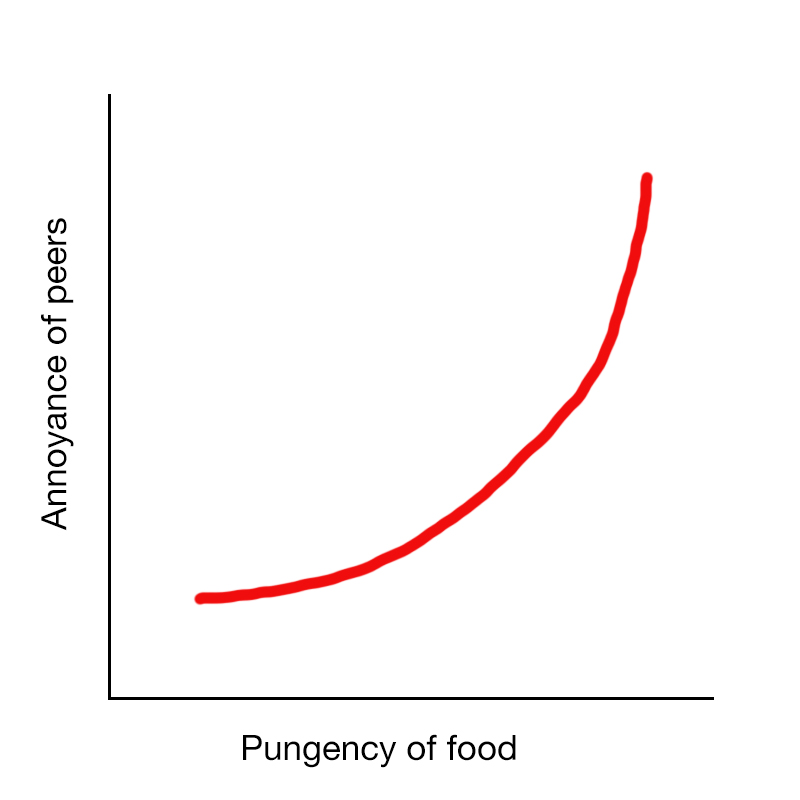
The relationship between aroma and public reception is well-established, with an excess of smell often sparking displeasure in others.
An increasing function best describes this phenomenon.

For this reason, hot food is generally to be avoided.
2. Noise
As humans have evolved to listen out for ringing phones and to enjoy bad pop music, their hearing can be quite sensitive. Thus, sound is an important consideration.
In the following graph, we see the impact of noisy food on audience disruption.

3. Practicability
Consider how much space is available around you and how space your meal preparation would require. Is there someone sitting next to you? Or do you have horrible body odour that drives everyone away, thus granting you a larger area? These factors can either limit or enable your culinary activities.
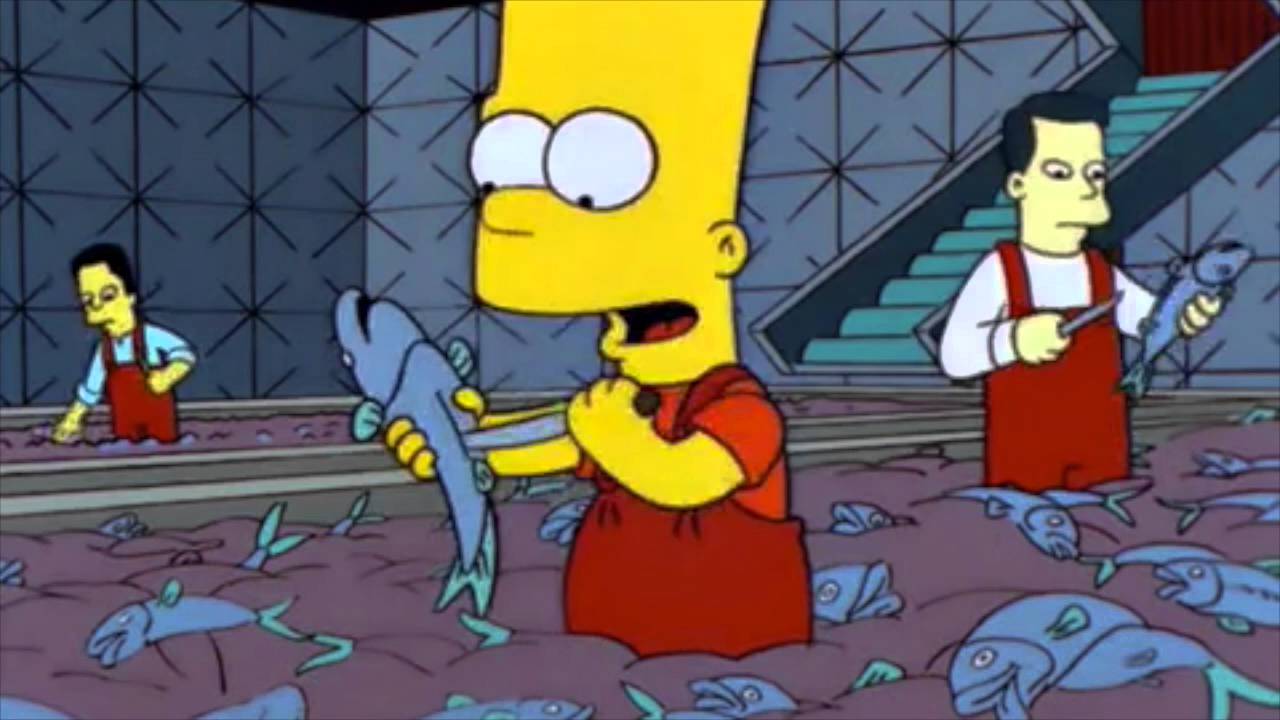
For example, filleting a fish might be tempting during a particularly mundane class, but the space requirements often prove too difficult to overcome.

Consider also the effort required. Pineapple would be refreshing in the middle of an intellectually rigorous lecture, but cutting it would involve a lot of mess and a lot of casualties.
4. Waste
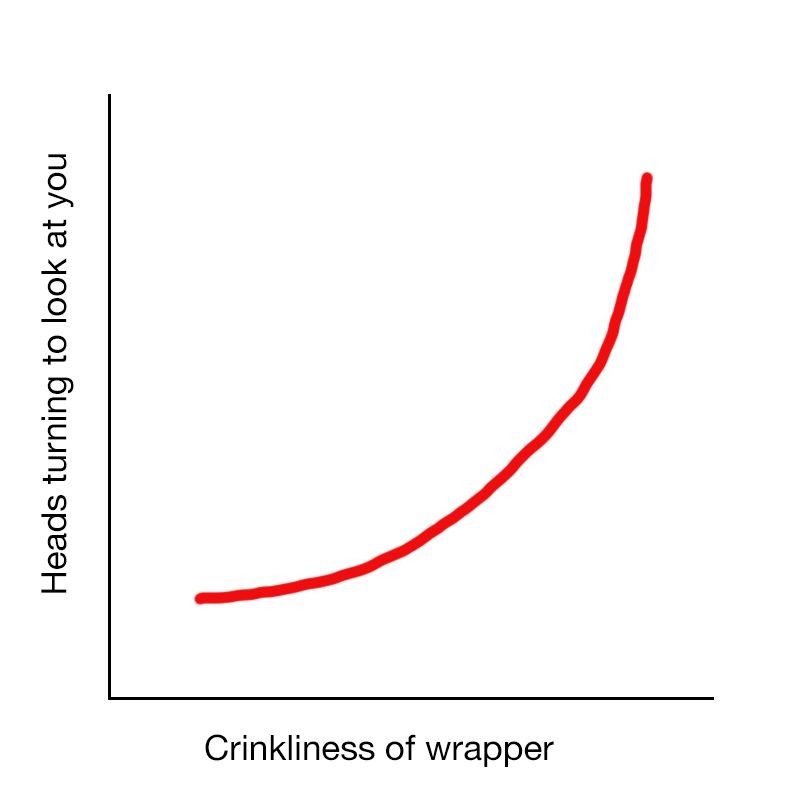
Just like your crazy ex, some food comes with excess baggage. This is often in the form of a fruit skin or a plastic wrapper.
Unfortunately, there are risks in standing up to immediately dispose of rubbish. Most insidious is that of the lecturer suddenly stopping mid-sentence, looking pointedly at you, asking if you have a question and drawing the entire room’s attention to you.
The other option — to stockpile wrappers around you until the end of the class — is also unpleasant. As we all know, hoarding is a dangerous pastime with the potential for highly negative consequences.

Does your food of choice involve a haphazard amount of residue or wrapping? You might want to seek an alternative.
Here’s a reminder why.

With those principles in mind, let’s analyse some specific examples.
Banana: Silent and nutritious. Occasionally has a long-range smell. Be prepared to head straight to the bin after consumption. Otherwise, bring a plastic bag to store the leftover peel.
Breakfast bar: Delicious and convenient. Some types pose a crumbling risk.
Nuts: Cashews? Good. Almonds? Good. Peanuts? Good — but not for anyone nearby with an allergy. Pistachios? If there’s a risk of accidentally swiping the shells off your desk when you move your hand, and there always is, avoid.
Yoghurt: Bring a spoon to avoid ungraciously slurping from the container. As with bananas, rubbish is a concern.
Protein ball: Filling. As an added bonus, makes you look like a health aficionado.
Chocolate: A highly recommended lecture food. Good to share with others. Especially if you do have bad body odour and need to entice more people to sit near you.
Apple: Healthy but generally noisy. High crunch risk. A core remains after consumption.
Sausage roll: Warm, delicious and sure to create envy in all your neighbours. Some pastry varieties are particularly prone to breaking off into flakes.
Chips: Crunchy and involve rubbish. Similar to apples in this respect, except without any of the health benefits.
Durian: No.
References
It’s the start of a new year, which means the start of another 365 days of procrastination.
The remedy for procrastination? An impending deadline, probably. Or behavioural economics, which is all about recognising and addressing inherent human biases; this lets you optimise the way you carry about your daily business.
But sometimes you need to use these biases to your advantage if you want to stop compulsively looking up pictures of cats in saucepans instead of studying…or if you’re prone to sitting on your fat ass all day.
It’s okay to use the word “ass”, right? Is this supposed to be family friendly?

3 things there:
So let’s address and embrace these biases.
1. Sunk Costs
In an unprecedented moment of heated passion, or maybe when I referred to your fat ass above, you bought yourself a gym membership.
A gym membership is a sunk cost, meaning it’s already been paid for. While there’s not much you can do to recover it, you also don’t have to pay another cent; this fee is totally in the past.
Future decisions should take this into account by dismissing the sunk cost completely. So if you’re rational and you hate exercising, it makes sense for you to ignore the membership altogether.
You won’t receive your money back, so why put yourself through hours of pain for a lost investment? It’s better to let it go. So much for your New Year’s Resolution!
But if you allow yourself to be irrational, you can conjure up the fear of this money going to waste — even though it’s technically not — and use it to inspire positive action.
Whether it’s a gym membership, subscription-based study tool or expensive dieting program, the principle is the same. Pay for big commitments up-front and then stand by them to avoid feeling like you wasted your money.
Conclusion: Honour sunk costs.
2. Endowment
The endowment effect is a bias where you overvalue things you own. In essence, you’re scared of losses and hold on too tightly to what you already have.
Maybe you hate fur coats, especially ugly ones. But then your atherosclerotic life partner gives you the ugliest fur coat you could ever imagine. Oh, and you suddenly become Miley Cyrus.

Now you have a sentimental attachment to this fur coat, because it’s your ugly fur coat. It’s no one else’s. It’s yours.
Then disaster strikes. Someone breaks into your house and steals your ugly fur coat. Just that fur coat. Nothing else.
Now you feel the sting of losing the ugly fur coat, even though you’d been just as happy before you ever received it.
Why? Because you’re scared of experiencing losses and you place a high value on what you perceive you already own. Something that was yours was taken away and you don’t find that a fun experience.
Now here’s the effect it has on your New Year’s Resolutions. When your desire to change is expressed as a loss, it’s hard to follow through with it. Stop eating junk food? Stop reading useless things on the Internet? Wear less ugly fur coats? No, no, it’s all too hard to do.
Instead, rethink what your goal is. Maybe it’s to achieve better health. Maybe it’s to focus more on your study or work. Maybe it’s to improve your fashion sense. These are gains, not losses, and therefore feel more palatable.
Conclusion: Rephrase resolutions as things you will do instead of things you will stop doing.
3. Framing
Phrasing matters, doesn’t it? Actually, it matters a lot. How you express things deeply affects how you think about them.
The classic example is a village with 600 people. You have access to a medical program that saves 200 people. That sounds good, doesn’t it?

But you can look at it another way and say the program lets 400 people die. Although it’s the same thing, it suddenly sounds much worse.
Expression makes a difference, even if the things being expressed are exactly the same. In experiments, simply changing the wording affects people’s decisions.
So you know what? Use this to your advantage. To ensure your goals feel like successes, reframe the way you think about them.
Make your New Year’s Resolutions ridiculously easy. Make them achievable. Then reward yourself — focus on the positive and celebrate what you do achieve, not what you haven’t yet.
Because in the true spirit of procrastination, you can always do that later.
Conclusion: No matter how small the win, focus on what you do achieve rather than what you do not.
References
What has the biggest association with death?
Cardiovascular disease?
Malignancy?
Suicide?
Motor vehicle accidents?
No.
The answer is birth. 100% of people who are born also die.
But while birth is a necessary precursor to death, is it fair to say that birth causes death? Hardly, unless you’re in an existential crisis.
Beware the post hoc ergo propter hoc fallacy; just because Event B follows Event A does not mean that A causes B.
References